
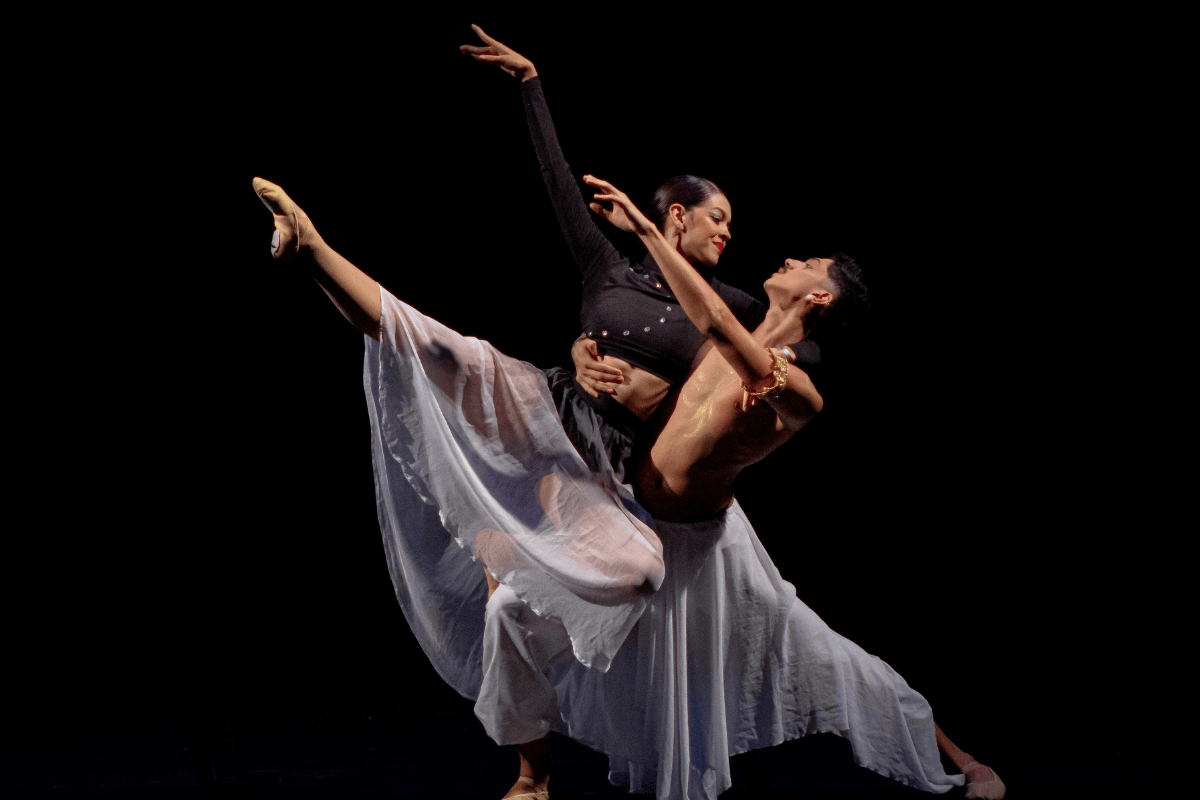
Whether you’re signing up for your first salsa class, ballet, hip-hop, or even a fun ballroom dancing experience, preparing for your first dance class can feel a bit daunting. You might not know what to wear, what to bring, or what to expect from the experience. But don’t worry — with the right dance class tips, you can set yourself up for a smooth, enjoyable start to your dance journey.
In this comprehensive guide, we’ll break down everything you need to know about preparing for your first dance class. From choosing the right outfit to knowing what to bring, as well as setting expectations for your class, we’ve got you covered. Whether you’re a complete beginner or just looking to improve your skills, these dance class tips will ensure you’re ready to hit the floor with confidence.
What to Expect in Your First Dance Class
The anticipation of your first dance class can be exciting, but it’s also natural to feel a little nervous. Knowing what to expect will help ease those first-class jitters. Dance classes generally follow a typical structure, regardless of the dance style.
1. Introduction to the Basics
In the first class, especially if you’re a beginner, expect the instructor to start with the basics. You’ll likely spend time learning fundamental movements, basic footwork, and posture. The instructor will break down each step carefully, helping you understand the rhythm, timing, and technique that forms the foundation of the dance style.
2. Warm-Up and Stretching
Most dance classes begin with a warm-up to prevent injury and help your body get ready for movement. Depending on the dance style, the warm-up might include stretches, joint rotations, or even basic movements related to the dance. It’s crucial not to skip this part — warm-ups prepare your muscles for more intense movements and ensure that your body is primed for dancing.
3. Learning the Steps
Once you’re properly warmed up, you’ll move on to learning the steps. Don’t worry if you don’t get everything right away — everyone was once a beginner. Dance instructors typically break the steps down into smaller, digestible pieces and repeat them a few times to help you grasp them.
4. Partner or Group Work
Depending on the dance style, you may be paired with a partner or work in groups. If you’re doing a social dance like salsa or ballroom, the instructor will guide you through partner work. In solo dance classes like hip-hop or ballet, you’ll be working on individual movements. Either way, don’t be intimidated. It’s all part of the learning process.
5. Cool Down and Stretch
At the end of the class, expect a cool-down session, where the instructor will guide you through some light stretching and breathing exercises to relax your muscles. This helps your body recover from the physical activity and prevents stiffness.
What to Wear for Your First Dance Class
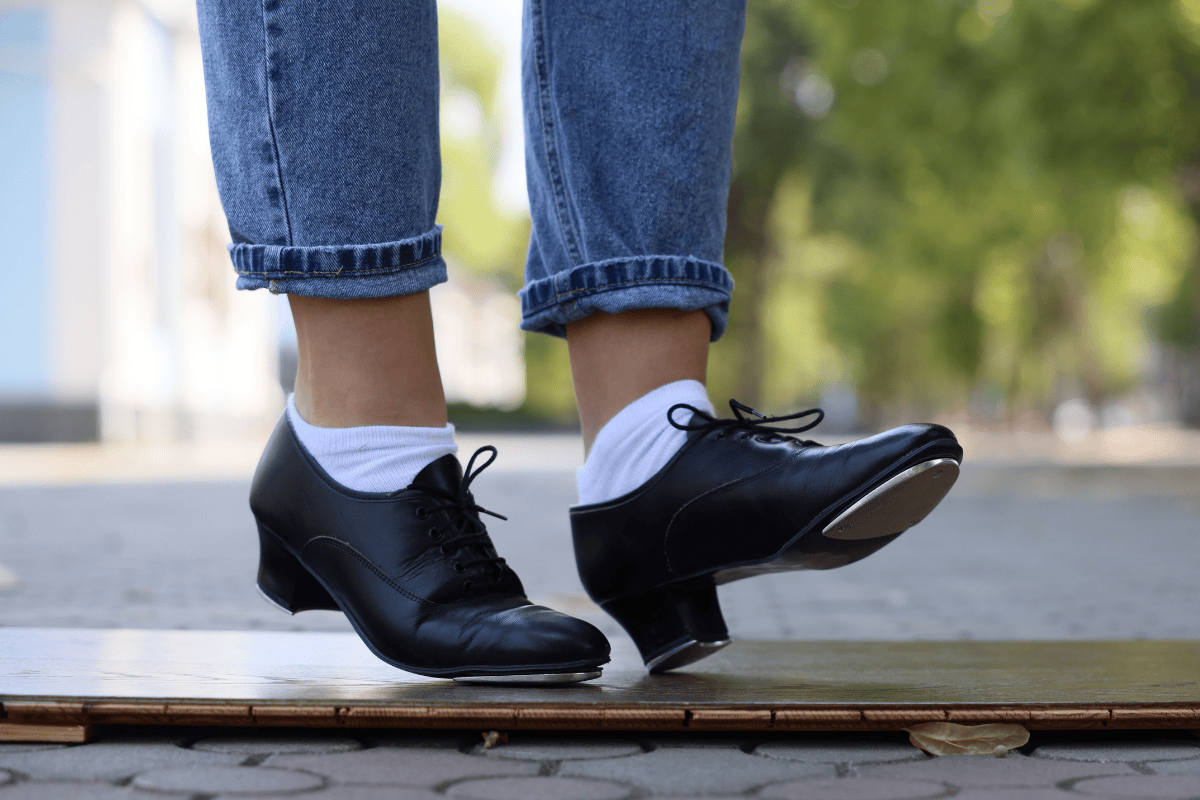
Choosing the right outfit is crucial for both comfort and movement. Wearing the wrong clothing or shoes can interfere with your ability to move freely, and it could even lead to discomfort or injury. Here are some essential tips for what to wear:
1. Comfortable Clothing
For most dance styles, it’s important to wear clothing that allows for a full range of movement. Think stretchy, breathable fabrics that hug your body without restricting your movements. Avoid baggy clothes, as they might get in the way while dancing.
- For women: A fitted top or tank and leggings, yoga pants, or comfortable shorts work well for many dance styles. Ballet dancers often wear leotards, but for most beginners, a simple outfit will suffice.
- For men: A moisture-wicking t-shirt or tank paired with comfortable pants or shorts works well for many styles. Avoid anything too loose that could hinder your movement.
2. Proper Footwear
Wearing the right shoes is vital for dance. Some dance styles, like ballet or contemporary, require specific footwear (ballet slippers, dance sneakers, etc.), while others like salsa or ballroom dancing will require shoes with a heel or smooth sole to help with footwork.
- For ballroom and Latin dancing: Opt for shoes with a smooth, flat sole that won’t stick to the floor but will still give you grip. These shoes often have a soft leather or suede bottom.
- For hip-hop and jazz: Wear sneakers designed for dance to ensure both comfort and safety. These shoes provide flexibility and support.
- For ballet: Ballet flats or pointe shoes (if you are at an advanced level) are a must.
- For general dance classes: Choose shoes that are comfortable, supportive, and non-slip. Avoid wearing outdoor shoes, especially those with dirty soles.
3. Avoid Accessories That Could Get in the Way
While it might be tempting to wear jewelry or accessories to your dance class, these can get in the way of your movement and even cause injury. Remove any necklaces, large earrings, or bracelets that could interfere with your body’s flow. Hair should be secured away from your face, especially in styles like ballet or hip-hop, where hair bouncing can be distracting.
What to Bring to Your First Dance Class
Knowing what to bring is as important as what you wear. A few key items will help you feel prepared and comfortable during your class.
1. Water Bottle
Staying hydrated is essential, especially when you’re moving your body through various dance steps. Make sure to bring a water bottle to keep yourself hydrated throughout the class. Dance can be physically demanding, and water helps you stay energized.
2. Towel or Sweatband
Dance classes can be quite intense, and it’s common to sweat a lot, especially during fast-paced dance styles like salsa or jazz. Having a towel on hand to wipe away sweat will help keep you comfortable throughout the class. A sweatband or headband can also help manage hair and sweat.
3. Notebook and Pen (Optional)
If you’re a serious learner and want to track your progress, bringing a notebook and pen can be helpful. Jot down important tips or steps that you may want to revisit later. This is particularly useful if you plan to take multiple classes and want to remember specific moves or corrections made by your instructor.
4. Dance Shoes (if Required)
Depending on the style of dance, you may be asked to bring specific shoes. If your instructor requires certain shoes for the class (like ballet flats or tap shoes), make sure you have them ready. Some studios provide loaner shoes, but it’s always best to check in advance.
5. Extra Layers for Warm-Up
If you’re attending a dance class in the winter or a studio that is cold, bring a light jacket or sweatshirt for the warm-up. Once the class gets going, you’ll likely warm up, and you can remove the extra layers.
Dance Class Tips: How to Make the Most of Your First Class
1. Don’t Be Afraid to Ask Questions
Your first dance class can be a lot to take in, but remember that it’s okay to ask questions if you’re unsure about anything. Whether it’s about the music, steps, or terminology, your instructor is there to help. Asking for clarification can make you feel more confident and engaged.
2. Embrace Mistakes and Stay Positive
Everyone makes mistakes when learning something new, especially in dance. Don’t be discouraged if you can’t catch onto the steps immediately. Dance is a skill that takes time and practice, so stay patient and keep a positive attitude. The more you practice, the more natural the movements will become.
3. Stay Engaged and Have Fun
Dance is meant to be enjoyable. While learning the technique is important, it’s also essential to have fun. Stay engaged in the rhythm, enjoy the music, and immerse yourself in the experience. Dance is a wonderful way to express yourself, and the joy you feel in the process will shine through in your movements.
4. Practice Between Classes
If you want to make progress faster, consider practicing what you’ve learned outside of class. Even practicing in front of a mirror or on your own at home will help reinforce the movements and make them feel more natural. The more you practice, the more confident you’ll become.
5. Be Open to Socializing and Networking
In many dance classes, especially in styles like salsa, bachata, or ballroom, there’s an opportunity to socialize with others. Don’t be shy about striking up a conversation with your classmates. The dance community is a welcoming and supportive one, and making new connections will enrich your experience.
Conclusion
Preparing for your first dance class doesn’t have to be intimidating. By wearing the right clothes, choosing appropriate shoes, bringing essential items, and understanding what to expect, you’ll set yourself up for a great experience. Follow these dance class tips to stay comfortable, confident, and ready to learn.
Remember, dance is a journey, and your first class is just the beginning. Whether you’re dancing for fitness, fun, or self-expression, enjoy the process and let the rhythm guide you. With each class, you’ll grow more confident, skillful, and passionate about dance. So go ahead, take that first step onto the dance floor — we promise it’ll be worth it!
Hi, this is a comment.
To get started with moderating, editing, and deleting comments, please visit the Comments screen in the dashboard.
Commenter avatars come from Gravatar.